![[RIGHT]unitar_logo](https://cifal.up.edu.ph/wp-content/uploads/2024/01/RIGHTunitar_logo.png)
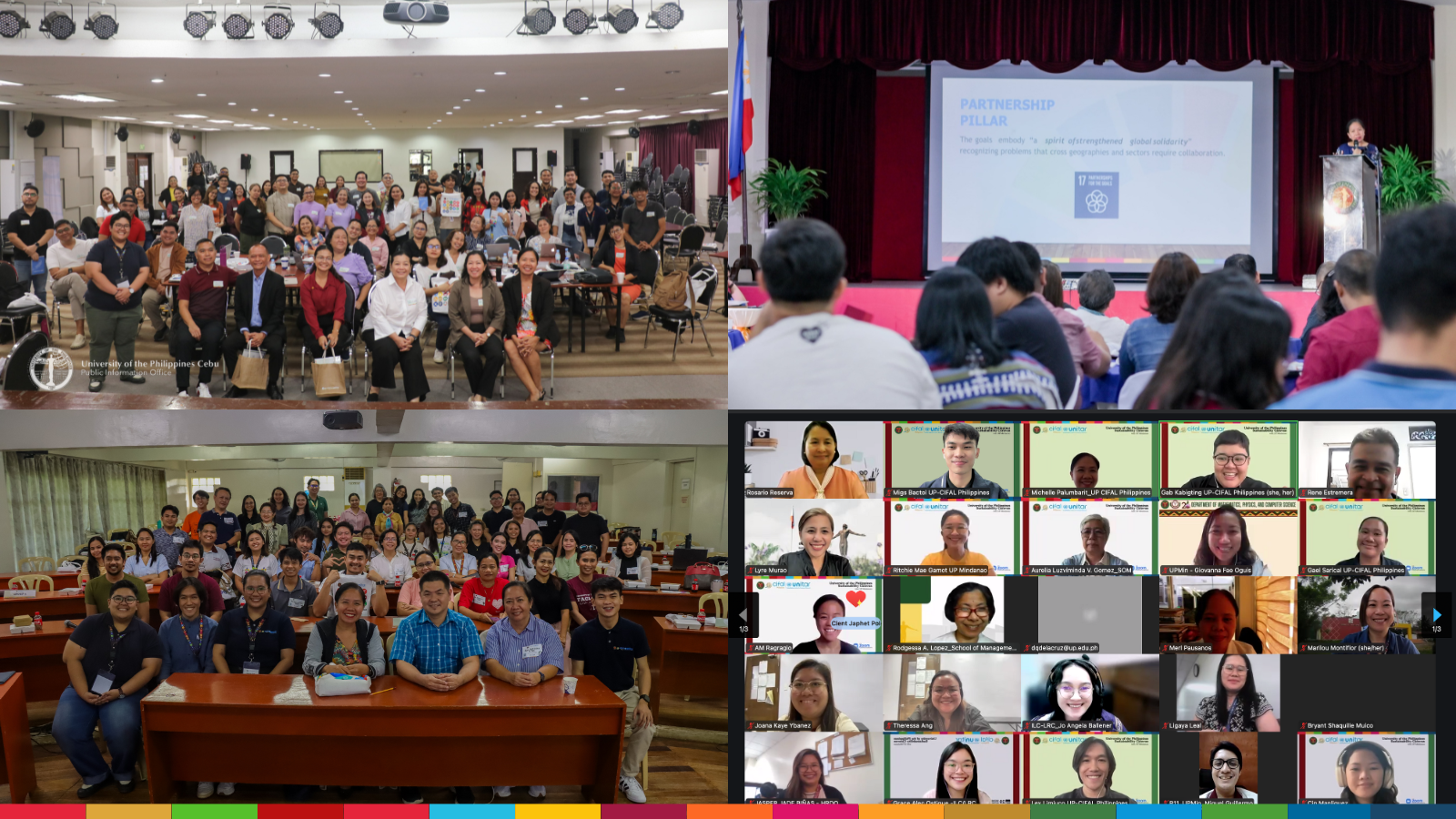
November 2025—The University of the Philippines (UP), through UP-CIFAL Philippines, has successfully concluded the final leg of the UP Sustainability Caravan, a systemwide initiative advancing the integration of the United Nations Sustainable Development Goals (SDGs) across all UP campuses.
Held from September to October 2025, the caravan visited UP Mindanao, UP Cebu, UP Tacloban, and UP Visayas, reaching more than 200 faculty members, students, and staff through SDG orientations, workshops, and dialogues on sustainable development in higher education.
UP System President Atty. Angelo A. Jimenez, in his message of support throughout the caravan, emphasized that the initiative directly aligns with the UP Strategic Plan 2023–2029 and UP’s commitment to building a more just, resilient, and sustainable future.
UP-CIFAL Philippines Director Dr. Michelle R. Palumbarit led sessions on SDG principles, their relevance to university mandates, and the crucial role of higher education institutions in driving local and national progress on sustainability. Partner institutions, including Leyte Normal University, the University of Eastern Philippines, Visayas State University, MSU-Iligan Institute of Technology, City College of Cagayan de Oro, Cebu Technological University, and Cebu Institute of Technology – University, shared best practices on renewable energy adoption, green entrepreneurship, community-based resilience, inclusive programs, and SDG-aligned governance.
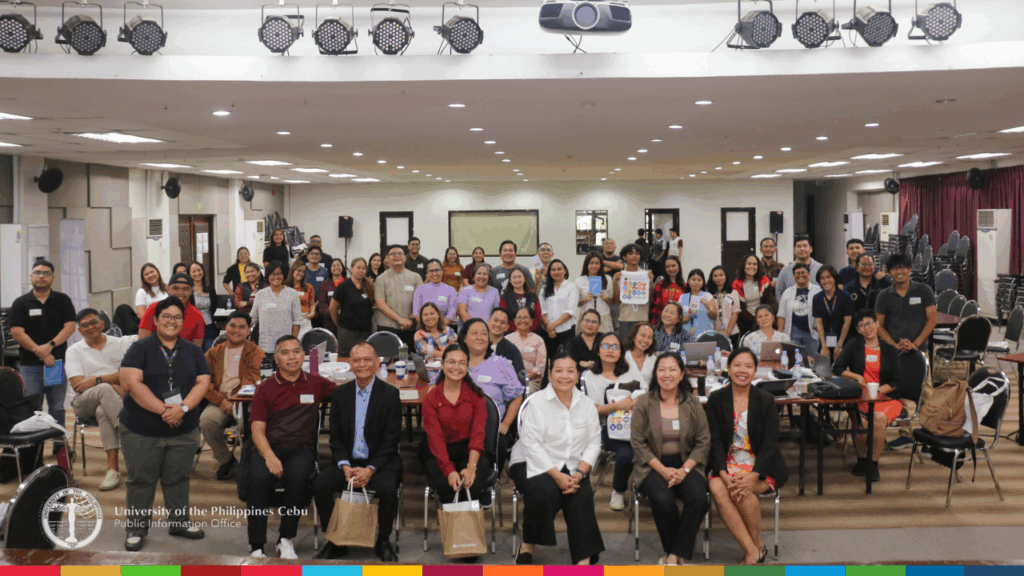
At the UP Cebu leg, discussions centered on sustainability governance, curriculum integration, and the need for long-term continuity beyond changes in leadership. Speakers stressed that sustainability work must be grounded in research, supported by institutional policies, and strengthened through inclusive, multi-campus partnerships.
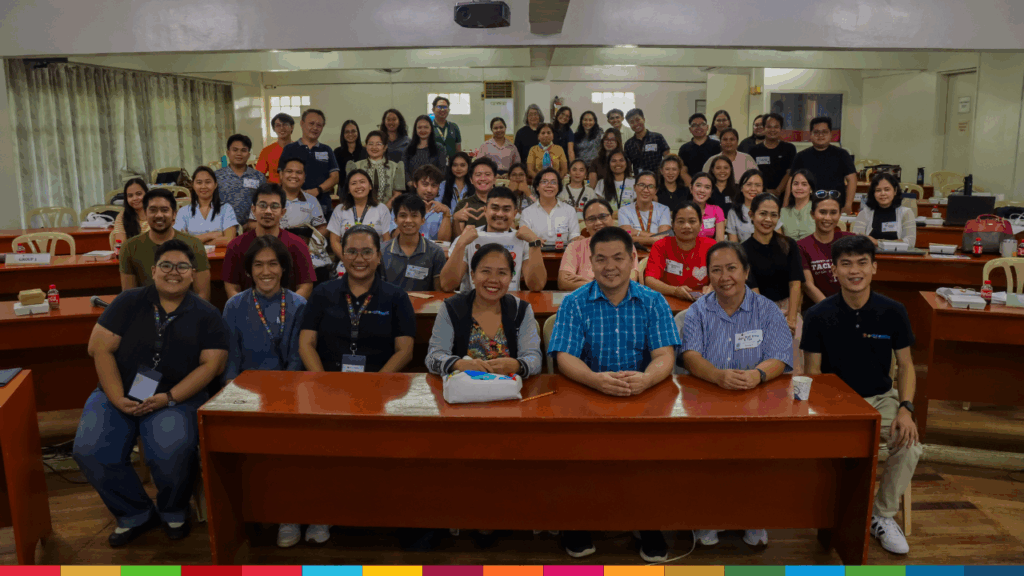
The UP Tacloban stop tackled the need for proper and efficient monitoring and evaluation. Universities must become “living laboratories” for sustainability, equipped with strong data systems and evidence-based reporting to ensure that sustainability must be systemic, measurable, and rooted in community-responsive action.
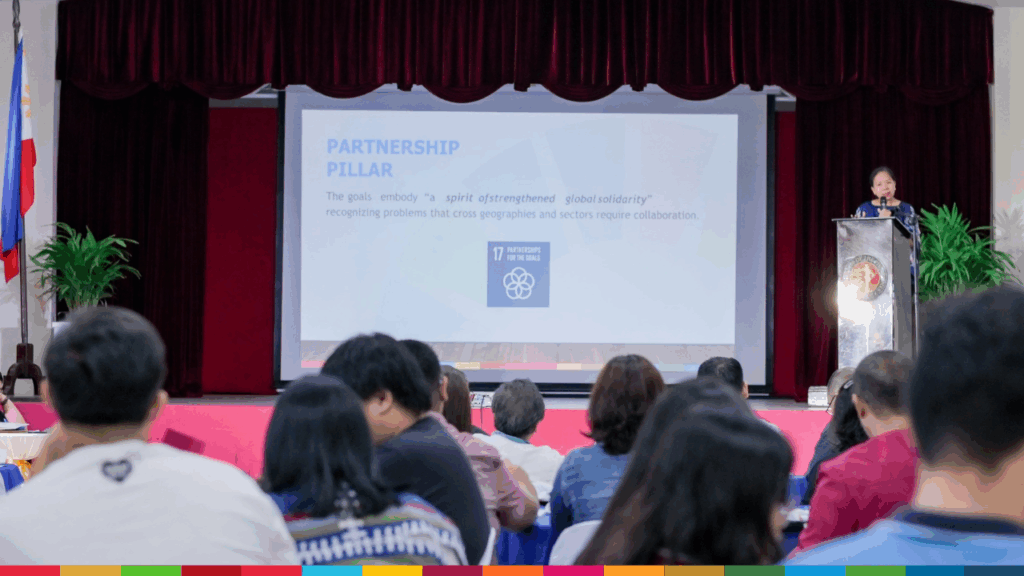
The UP Visayas campus emphasized expanding SDG-linked competencies, improving systems for monitoring sustainability initiatives, and scaling public service projects anchored in marine science, public health, and community resilience. With strong support from UP System leadership, UP Visayas reaffirmed its commitment to institutionalizing SDG-focused planning and building collaborative programs across its campuses.
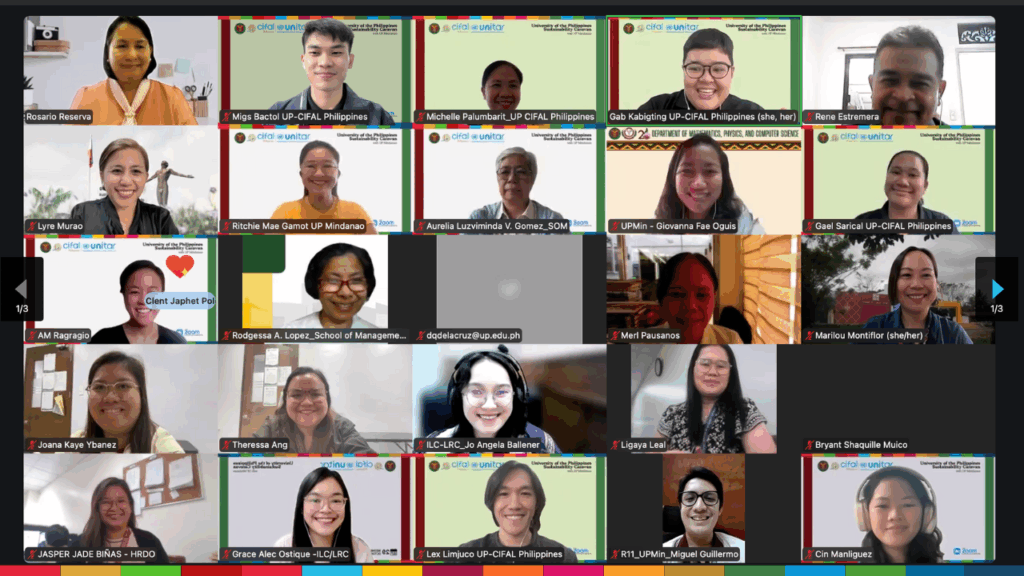
In UP Mindanao, the caravan focused on the university’s pivotal role in promoting sustainable development in Southern Philippines, and the importance of localizing SDGs to reflect the region’s distinct needs and opportunities, with youth engagement positioned as a key driver of long-term transformation.
Across the four CUs, participants composed of university officials, faculty members, REPs, and students took part in workshops that helped identify campus-specific priorities and opportunities for collaboration. A key outcome of the caravan is UP’s move toward establishing a systemwide SDG dashboard, designed to consolidate sustainability initiatives and track progress across all constituent universities.
The caravan’s completion set the stage for the UP Strategic Conference on Sustainable Development in November 2025, where all UP CUs gathered to present SDG-driven research and strengthen cross-campus partnerships.